Cutting the cord used to feel like a big, complicated move. Cable television was the default choice for so long that many people assumed switching to streaming would require too much effort or too much technical knowledge.
Today the situation is very different. Streaming has become the easiest way to watch television, movies, and live sports. It gives you more freedom, more flexibility, and in many cases a much lower monthly bill.
If you have been thinking about canceling cable but feel unsure about where to start, this guide will walk you through everything you need to know in clear, simple steps.
Cord cutting in 2025 is not just about saving money, although the savings can be significant. It is also about taking control of your viewing experience.
You no longer have to follow the schedules of cable channels. You no longer need bulky equipment or long-term contracts. Instead, streaming lets you build your own entertainment plan using services that match your actual interests.
This article will explore why so many people are leaving cable behind, how to make the transition smoothly, the technical requirements you should be aware of, and the best streaming services for different types of content such as movies, family programming, and sports.
By the end of this guide, you will have a complete understanding of how to move from cable to streaming with confidence.
Cord Cutting and the Shift From Cable TV
Over the last decade, cable television has slowly been losing its dominance. What was once the main source of entertainment in most homes has been replaced by streaming platforms that offer more convenience at a lower cost.
This shift did not happen overnight. It grew as internet speeds improved, smart televisions became common, and streaming companies began producing high quality shows and movies.
People used to tolerate the frustrations of cable because there were no other options. Channels you never watched were bundled with the ones you liked. Customer service was often slow and confusing.
Prices went up without much warning. Equipment fees, installation charges, and long-term contracts added to the frustration. Streaming changed this dynamic by offering viewers an easy way to bypass all those limitations.
The biggest reason people cut the cord today is choice. You decide what services to pay for, how long to keep them, and which devices to watch on. If you only care about movies, you can build a lineup focused entirely on that. If you love sports, you can combine a sports focused platform with a live TV service.
If you have kids, you can add a family friendly service. Instead of forcing you into a large bundle, streaming lets you create your own.
Another factor driving the shift is convenience. You do not need a technician to install anything. You do not need a cable box in every room. You simply download an app and sign in. Whether you are at home or on the go, you can watch your content on a laptop, tablet, gaming console, or smart phone.
This flexibility has become especially appealing for people who travel often or prefer watching shows outside the living room.
Cable’s traditional model of scheduled programming has also become less attractive. People want to watch at their own pace, not wait for a specific time slot.
Streaming gives you instant access to entire seasons, new movies, and daily content updates. All of these changes have helped streaming grow into the preferred way of watching television in 2024.
5 Tips to Successfully Switch From Cable TV to Streaming
Making the move from cable to streaming does not need to be stressful. With a thoughtful plan, you can avoid confusion and enjoy a smooth transition. These five tips will help you make smart choices from the start.
1. Understand your viewing habits
Before you sign up for anything, think about what you actually watch each week. Do you follow specific channels? Do you focus mostly on movies?
Do you watch one or two sports leagues? Many people realize they watch far less than they are paying for with cable. By identifying your must-have content, you can pick the right streaming platforms without overspending.
2. Check your devices and choose the right hardware
Modern smart televisions usually have all the major streaming apps built in. If your television is older or does not support certain apps, a small streaming device such as a Roku, Amazon Fire TV, or Apple TV can solve the problem.
These devices are simple to use and often provide faster performance than older smart TVs. If you watch in multiple rooms, you may want a device for each television to make switching easier.
3. Start with a small number of services
It is easy to get excited and sign up for everything at once. But the smartest approach is to begin with only two or three services. You can always add more later if you feel something is missing. Most people find that a combination of one live TV service and one or two on demand streaming platforms is enough for daily viewing.
4. Set reminders for subscription renewals
Streaming subscriptions renew automatically each month. To avoid paying for services you no longer use, set simple reminders on your phone or calendar. This helps you stay organized and keeps your monthly spending under control. Some people rotate services throughout the year.
For example, they use a movie service for a few months, switch to a sports service during a certain season, then return to the movie service later.
5. Take advantage of free trials
Most streaming platforms offer a trial period. This is the perfect opportunity to explore the interface, watch a few shows, and decide if the service suits your needs. Testing services before subscribing helps you avoid disappointment and unnecessary costs.
Technical Considerations
You do not need advanced technical skills to cut the cord, but understanding the basics will help you avoid common problems.
Internet speed and data needs
Streaming depends on your internet connection. For smooth high definition videos, one person usually needs about 25 Mbps. If multiple people watch at the same time, you may need 100 Mbps or more.
Many households are surprised to learn their internet plan is strong enough already. If you watch a lot of 4K content, higher speeds will reduce buffering.
Some internet providers limit how much data you can use each month. Streaming uses more data than simple web browsing, especially if you watch in high definition. Check your plan’s data policy so you do not run into unexpected fees. If your provider offers an unlimited plan, it might be worth considering.
WiFi equipment
A good router makes a big difference. Older routers may struggle with speed and range, especially in large homes. Newer routers provide stronger signals and better stability. If you notice dead spots in your home, a mesh WiFi system can extend coverage and improve performance for all devices.
Device compatibility
Each streaming service supports different devices. Make sure the apps you need work on your TV, phone, or streaming device. Most major platforms cover a wide range of devices, but it is always smart to double check.
Picture and sound quality
Many streaming services now offer 4K resolution, HDR color formats, and advanced audio features. You do not need all of this to enjoy your shows, but if you have a 4K television or a home theater setup, these features can make your viewing experience even better.
Costs: Streaming Services vs. Traditional Cable TV
Cable television has become expensive for many households. A typical bill can include broadcast fees, sports fees, equipment rentals, and taxes. These charges add up, and in some cases the final price is far higher than the advertised monthly rate. Many people also end up paying for channels they never watch because cable providers bundle everything together.
Streaming offers more control and often lower costs, but the exact savings depend on the services you choose. On demand platforms usually cost between ten and twenty dollars each month.
Live TV streaming services cost more, often ranging from sixty to eighty dollars each month. These prices can still be lower than cable because you avoid rental fees and long term commitments.
One of the greatest advantages of streaming is flexibility. If you only want a certain show or sports season, you can subscribe for a short time and then cancel. You can change services whenever your preferences shift. This prevents you from paying for content you are not watching.
To compare costs effectively, list the shows, channels, and sports you want to keep. Then match them to the services that offer them. Many people discover they can get everything they need for much less than cable. Others choose to create a rotating schedule of services to keep monthly expenses low.
Discover the Best Streaming Services Tailored for Movies, TV Shows, and Sports
There is no perfect streaming service for everyone. The best choice depends on what you like to watch. Below are some top options for specific interests.
For International Content: Hulu + Live TV
Hulu + Live TV offers a strong mix of live channels, on demand content, and international programming. It includes many well known networks as well as world news channels and sports options that appeal to global audiences.
Hulu’s on demand library stays fresh with new episodes from major broadcast networks shortly after they air. This combination makes it a solid choice for households that want both live television and a wide variety of international content.
For Family Entertainment: Disney+
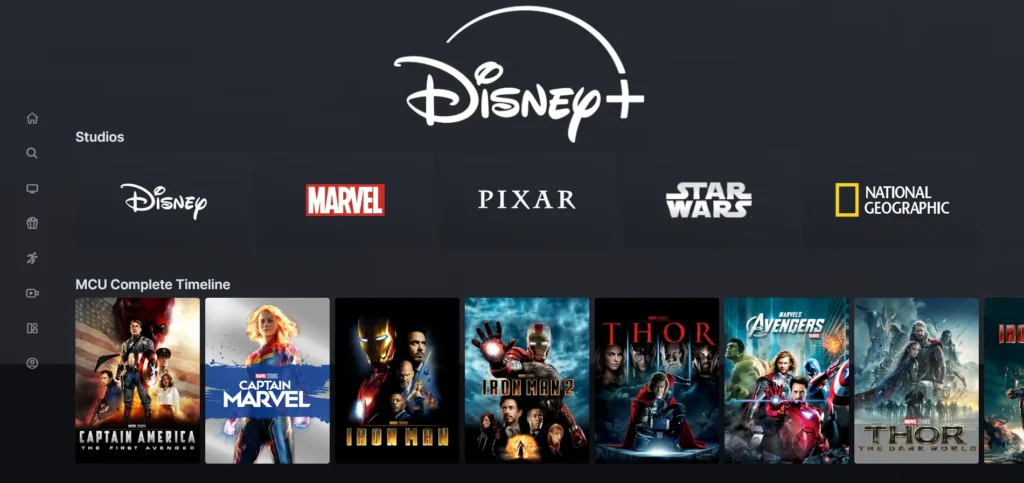
Disney+ is one of the most popular streaming platforms for families. It features beloved animated classics, modern blockbusters, and a growing list of original shows from major brands such as Disney, Pixar, Marvel, and Star Wars. The interface is easy to navigate and offers strong parental controls.
New titles arrive regularly, keeping the catalog fresh. Whether your home includes young children, teens, or adults who enjoy nostalgic favorites, Disney+ provides something for everyone.
For Sports Enthusiasts: ESPN+
ESPN+ caters to sports fans who want deeper coverage than cable alone can offer. It includes live games from a variety of leagues, detailed analysis shows, and exclusive documentaries.
It covers sports that do not always receive prime cable airtime, including mixed martial arts, college events, and niche competitions. While ESPN+ does not include every major league by itself, it pairs well with other services to build a complete sports setup.
For Football Fans: Sling TV
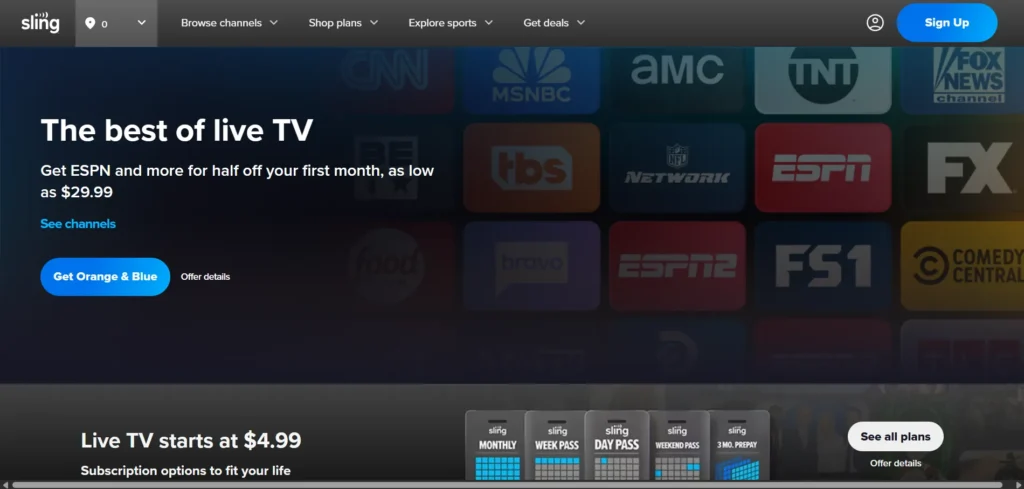
Sling TV is known for its affordable pricing and customizable channel packages. It includes major sports networks and offers access to many football games through its live TV lineup. Sling appeals to viewers who want live sports without the expense of a full cable replacement service.
Its simple channel structure makes it easy to choose the plan that includes the games you want to watch. Football fans often rely on Sling for a straightforward, budget friendly way to follow their teams.
For Movie Buffs: STARZ
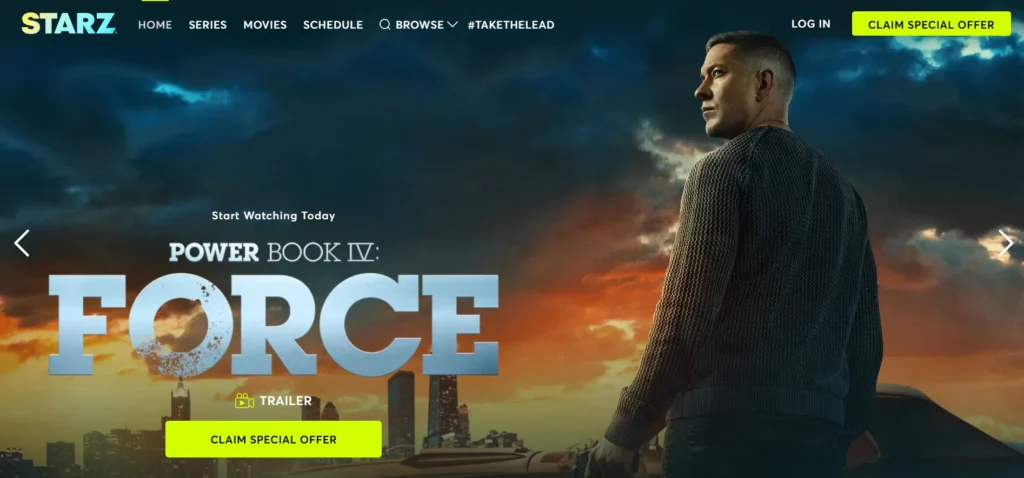
STARZ is a strong option for movie lovers. Its library includes a wide selection of films from many genres, including action, comedy, drama, and independent productions.
STARZ also creates original series that have attracted dedicated audiences. If you enjoy browsing through a steady rotation of high quality movies without the clutter found in larger platforms, STARZ provides a focused, enjoyable experience.
The Future of Streaming and Cord Cutting
The world of streaming changes quickly, and the next few years are likely to bring even more improvements. Competition between services continues to grow, which pushes companies to invest in better content and more user friendly features.
Viewers can expect more personalized recommendations, smoother interfaces, and new viewing formats that blend live and on demand content.
Sports broadcasting is also evolving. More leagues are exploring ways to offer their own direct streaming access so fans can subscribe without relying on cable. This could lead to more specialized sports packages that offer deeper coverage and more flexible pricing.
Another trend is the rise of bundles. Some companies may group several services together for a reduced price. Others may merge or partner to simplify the streaming experience. This could help viewers avoid juggling too many subscriptions.
Technology will also continue to improve. Faster internet speeds, stronger WiFi equipment, and better streaming devices will make the viewing experience even more reliable. As more homes upgrade their televisions, 4K and advanced audio features will become standard.
No matter how the industry evolves, one thing remains constant. Streaming gives viewers control. You decide what to pay, what to watch, and when to watch it. Cord cutting is no longer something to be nervous about. It is a practical step toward a more flexible, affordable, and enjoyable entertainment experience.